So, What Currency Does Bali Use? (And Why You Should Care Before Landing at Denpasar Airport)
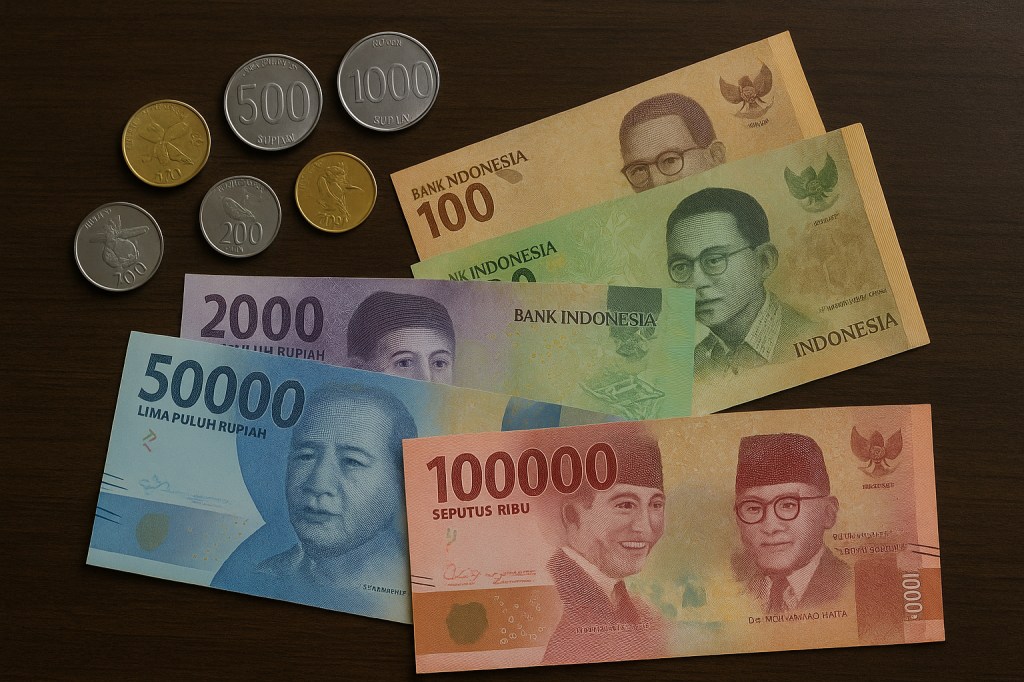
Alright, let’s not waste your time — the official currency used in Bali is the Indonesian Rupiah, which is abbreviated as IDR or just Rp when you’re looking at prices on signs or menus. You’ll see things like Rp15,000 for a coffee or Rp100,000 for a massage (yep, you read that right — it’s a massage, not a down payment on a car).
Now here’s the thing: the numbers in rupiah look scary huge at first. Like, buying a smoothie and seeing the price tag say “Rp60,000” feels like you’re suddenly Elon Musk — but don’t panic. That’s about $3.80 USD. The exchange rate hovers around Rp15,000 to $1 USD, but it fluctuates a bit so always double-check right before your trip.
Read also: Bali Weather in April
I’ve watched too many first-timers get totally confused, especially when jet-lagged. They hand over way too much cash or get shortchanged at sketchy money changers. Don’t be that person. Understanding how money works in Bali before you even touch down? Absolute game changer.
Real Talk – How Much Cash Should You Carry in Bali?
You’re probably wondering, “Do I need to carry cash in Bali or can I just tap everything like at home?” Here’s the truth — cash is king in Bali. While big resorts, restaurants, and some shops in touristy spots like Seminyak, Ubud, or Canggu take cards (Visa and Mastercard are safest bets), you’re gonna need cash for most everyday things.
I’m talking:
- Local warungs (tiny local eateries) — where you’ll find the best mie goreng of your life.
- Taxi rides that don’t use apps.
- Temple entrance fees (usually like Rp10,000–Rp30,000).
- Markets and beach vendors — and you better believe they prefer crisp bills.
From my experience, it’s smart to always have around Rp500,000 to Rp1,000,000 in your wallet (that’s about $30–$65 USD) in small bills. You don’t wanna flash a Rp100,000 note at a street stall selling a Rp7,000 bottle of water. Trust me, they’ll either shrug like they have no change or you’ll wait 15 minutes while they send someone to look for some.
Also, always keep a few Rp2,000 and Rp5,000 notes for toilets. Yes, many public toilets charge a small fee. Learned that one the hard way during a long drive through northern Bali — no change, no pee.
Where to Exchange Money in Bali (Without Getting Scammed or Robbed)
Okay, so this is a big one. Technically, you can exchange currency at the airport — but don’t. The rates are awful. Like, highway robbery awful. I only ever recommend exchanging a tiny bit at the airport — just enough for your airport transfer or a bite to eat.
Now, once you’re in town, go to authorized money changers, and I can’t stress this enough. The ones I trust — and have used dozens of times — are places like:
- BMC Money Changer
- PT. Central Kuta
- Dirgahayu Valuta Prima
These guys have proper licenses, they don’t mess with the math, and they give fair rates. I usually go to the one in Legian or Seminyak — bright white counters, digital exchange boards, security guard at the door. Feels like a bank. You want that.
Avoid the sketchy small shops with “NO COMMISSION” signs in neon fonts and rates that look too good to be true. Spoiler: they are. You’ll hand them your $100 bill, and somehow, poof — half your money disappears in front of your eyes because of some “mistake.” Some even use sleight-of-hand tricks to shortchange you. It’s wild.
And for the love of nasi campur, always count your money before leaving the counter. Like right there, in front of them. It’s not rude — it’s standard practice.
Can You Use US Dollars, Euros, or AUD in Bali?
Short answer: no. Long answer: not unless you’re in a 5-star resort that caters to international guests. Bali is not like Thailand where you’ll sometimes get away with paying in dollars at tourist traps. Everything is in Rupiah, and most locals won’t accept anything else.
That being said, if you’re Australian (so many Aussies in Bali, seriously), your AUD is super easy to exchange. Same with USD and Euros — but again, don’t try to use them directly at shops or markets. You’ll either confuse the vendor or get totally rinsed with a bad rate.
Quick note for Australians: always bring clean notes. Indonesians are surprisingly picky about torn or wrinkled bills — especially 50s and 100s. I once saw someone get a note rejected because of a tiny rip in the corner. Just… iron your money if you have to.
ATMs in Bali – A Love/Hate Relationship
ATMs are everywhere in Bali — but not all are created equal. You’ve got the ones that are legit (attached to banks or inside convenience stores like Circle K), and then you’ve got these shady-looking standalone machines in sketchy alleys with loose wires hanging out the back. Guess which ones you should avoid?
Stick to machines from big banks like:
- BNI
- BCA
- Mandiri
- CIMB Niaga
Most of these will let you pull out up to Rp2,500,000 to Rp3,000,000 per transaction (around $165–$200 USD). But — and this is a big but — your home bank probably has withdrawal limits too, so double-check that before you travel. Also, expect a small fee (usually $3–$5) every time you take money out, and Bali ATMs often charge you on top of that.
I usually withdraw a bigger amount once every few days instead of doing small transactions every day — saves on fees.
Just a heads up: cover your hand when typing your PIN, and if something feels off (like the keypad’s loose or the card slot looks weird), just walk away. Skimming does happen, especially in Kuta and Legian. One of my Aussie friends got cleaned out after using a dodgy ATM near a beach club. Not fun.
Can You Use Credit Cards or Apple Pay in Bali?
Yes and no. Bigger places like beach clubs, mid-to-high end restaurants, supermarkets (like Pepito or Popular), and hotels will take cards. Even some boutique cafes in Ubud are starting to accept Apple Pay and contactless. But your go-to cashless apps like Venmo or Zelle won’t work here.
My card got rejected once at a gas station near Amed and the nearest ATM was a 20-minute drive back the way I came. So yeah, always have a little cash stash on you.
Also, if you’re using a foreign credit card, tell your bank you’re traveling to Indonesia. I’ve had cards blocked mid-vacation before — annoying when you’re trying to buy a SIM card or settle a dinner bill and suddenly your payment won’t go through.
Oh, and watch out for “credit card fees”. Some places charge a 2–3% surcharge on top of your total just for using a card. They’ll usually tell you, but not always. Always ask before swiping.
Tipping in Bali – Do You Have To?
Tipping isn’t mandatory in Bali, but it’s super appreciated. You won’t offend anyone by not tipping, but if someone gives you great service — a kind driver, a massage therapist who works wonders on your jet-lagged back, or the sweet lady at the warung who made your nasi campur exactly how you like it — it’s nice to tip a little.
I usually go with:
- Rp10,000–Rp20,000 for restaurant staff (that’s about $0.60–$1.20).
- Rp50,000–Rp100,000 for drivers after a long tour or airport pickup.
- Small change in the hotel room daily for housekeeping.
Even Rp5,000 makes someone smile. That’s literally like 30 cents. But in rural areas or local shops, tips go a long way. And yeah, always tip in rupiah — don’t try leaving a $1 USD bill, no one wants to go exchange that.
Should You Bargain in Bali? Yes — But Don’t Be a Jerk About It
Okay, so when it comes to bargaining at local markets (like Ubud Art Market or the stalls in Seminyak), it’s part of the dance. They expect it, you should do it — just don’t go overboard trying to haggle over 5 cents.
A good rule? Start at 50–60% of the asking price and go from there. If they say Rp150,000 for a sarong, I might offer Rp75,000 and settle around Rp100,000.
But if someone’s selling handmade jewelry or carvings, try to remember the work that went into it. I once saw a tourist argue over Rp10,000 (like 65 cents) with a lady selling handwoven baskets. Not a great look.
What Are the Coin Denominations and Bills in Bali?
Most people only deal with the bills, but it’s handy to know:
- Coins: Rp100, Rp200, Rp500, Rp1,000 — not super common, but you’ll get some in change.
- Bills: Rp1,000, Rp2,000, Rp5,000, Rp10,000, Rp20,000, Rp50,000, Rp100,000
The Rp50,000 and Rp100,000 bills are the most common, especially from ATMs. Try to break them into smaller bills ASAP — vendors hate giving change for big notes. I always try to pay with exact change or close to it at local shops. Makes everyone’s life easier.
Quick Currency Tips for Bali That’ll Save You Hassle
- Don’t accept torn or taped rupiah bills — locals won’t take them later.
- Always count your change, especially at markets and non-chain shops.
- Download a currency converter app like XE — super helpful when your brain’s fried from the heat.
- Don’t exchange currency in your home country — you’ll get terrible rates. Do it in Bali.
- Store cash in multiple places: wallet, backpack, hotel safe. Just in case.
If this is your first time heading to Bali, understanding the currency is more than just knowing “what currency does Bali use” — it’s knowing how it moves, how to use it smartly, and how to avoid the rookie mistakes that cost you time and money. Learn it now, and you’ll look like a pro by day two.
 Bali Car
Leave a comment